Three stories, one evolving process
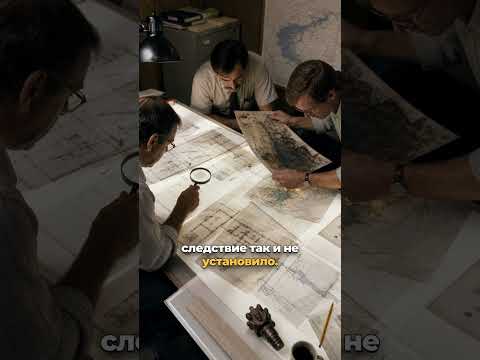
Lake Peigneur
A disappearing lake. A chain reaction that needed to make sense on screen.
What it taught me Make the cause visible before asking the viewer to follow its effect.
Watch on YouTube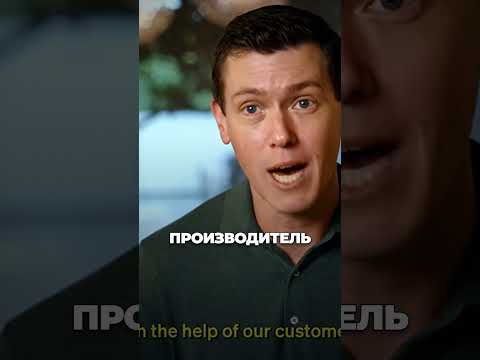
Flock Safety
A surveillance story that became a study in voice, editing and footage selection.
What it taught me Listen at the edit. Whole-track loudness can hide a damaged word.
Watch on YouTube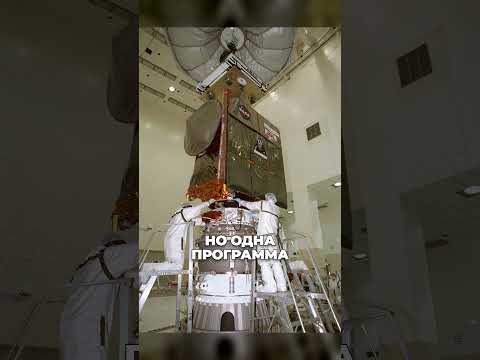
Mars Climate Orbiter
A lost mission, told through the small mismatch at the heart of the story.
What it taught me Put the cause up front. Keep only what helps the viewer understand it.
Watch on YouTubeThese three film projects became the testing ground for AgentLane. Lake Peigneur, Flock Safety and Mars Climate Orbiter are all available on YouTube. The films are in Russian. This page tells the story behind them in English.
Watch Lake Peigneur · Watch Flock Safety · Watch Mars Climate Orbiter
Lake Peigneur became a workshop for making cause and effect visible. Flock Safety exposed problems in speech and audio editing. Mars Climate Orbiter pushed the process toward a shorter, clearer story. Each asked something different of the same system.
The idea I kept coming back to
I wanted to bring an interesting idea and come back to a short documentary I would want to share. Research, writing, narration, visuals, editing and delivery all had to work together. I preferred local tools where they made sense, with room for other tools when the quality justified it.
AgentLane grew over many sessions. Early prototypes could produce a video file, but the films were slow, repeated their visuals, or showed actions that failed to explain the story. Fixing that gap became much of the project.
A successful render tells me that a video exists. Watching it tells me whether the story works.
My part became increasingly concrete: define the experience, watch the result, point to the moment that failed, and make sure the next iteration retained the lesson.
What happens between an idea and a Short
01Find the storyAn idea, grounded in sources
Research the topic, check the claims and find the question that makes it interesting. Keep the evidence close to the script.
02Give it a shapeA script with a causal thread
Introduce the people and place before the action. Read the narration aloud. Every sentence should move the explanation forward.
03Make it heardVoice, captions and sound
Build the narration, align the captions and listen to the joins. Music and sound should support the words without obscuring them.
04Make it visibleA sequence worth watching
Choose footage, diagrams or animation for what they communicate. Audition uncertain shots before committing to a complete render.
05Watch, revise, releaseA reviewed film and a release record
Watch and hear the complete cut, resolve the remaining edits and footage permissions, then prepare the approved version for YouTube. Keep a record of what was actually released.
The agent helps research the topic, shape the script and prepare the production. AgentLane keeps the plans, media, render outputs and review history together. Python coordinates the workflow; FFmpeg and Remotion turn the prepared material into a film.
The useful unit of progress is something I can inspect: a sourced claim, a paragraph I can read aloud, a visual that explains an action, or a cut I can watch. A film goes through those decisions before it is ready for release.
The iterations that changed the project
- AUG 2026Start with an idea
The first films reveal the gap between rendering and storytelling.
- 27 AUGA cut I accepted
Lake Peigneur reaches a version that survives a complete watch and listen.
- 06 SEPA clearer, shorter film
Mars Climate Orbiter reaches YouTube. The workshop keeps evolving.
The first full prototype, about Eilean Mor, was a useful rejection. Its pacing and repeated visuals showed how far a complete pipeline could still be from a compelling film. Lake Peigneur then gave us one story to improve repeatedly.
I kept asking what a new viewer could understand. Had we introduced the place before the disaster? Could the viewer follow the movement of the water? Did the scale feel believable? Maps, recognizable evidence and a clear sequence of actions often helped more than another effect.
Progress sometimes went backwards. One Lake Peigneur version passed its technical checks and still looked worse: stiff figures, unconvincing water and rough animation in the finished cut. That led to smaller visual auditions before another full render. On 27 August, I accepted a later cut after watching and listening to the whole film.
With Flock Safety, the problem was in the audio. Similar overall loudness concealed worse joins and damaged speech. Comparing exact versions, short listening excerpts and the waveform made the defects easier to locate. The film reached YouTube on 7 September.
Mars Climate Orbiter brought a different kind of improvement. A long draft became a roughly 33-second film, with the cause in the opening sentence and fewer distractions. That version reached YouTube on 6 September.
What I learned to judge
The hardest part was deciding what the viewer actually gets from the next few seconds. An attractive shot can explain the wrong action. A smooth voice can carry a confusing sentence. A clean audio measurement can miss an awkward edit.
I learned to review those things separately, then watch the complete film again. The story needs a causal thread. The visuals need to help it. The voice, captions and pacing need to agree. Technical checks are useful evidence for particular problems; they cannot supply my judgment about the finished film.
The software also needed to remember. Accepted outputs, rejected iterations and unresolved work moved into durable project records so a new session could continue from evidence. Otherwise, a long conversation would remain the only place where the project knew what had worked.
From Shorts to Vstavka
That practice now reaches beyond documentary Shorts. The Vstavka case study includes a separate 45-second product film made through AgentLane: real app imagery, typography, music and a compact product story.
It is a different format from the three studies above, built with the same habit of making the result concrete and reviewing it. AgentLane is still evolving. The aim remains the one that started it: bring an idea, build a film around it, and keep improving until it is worth watching.